
Strategy without self-awareness stalls. Vision without structure remains a dream.
I help founders, impact ventures and boards build the leadership and the structures that turn a bold vision into lasting results.
THE QUESTION
Why do capable people get filtered out by the systems meant to benefit from them?
In boardrooms, universities and startup ecosystems, capable people, particularly women, are often sidelined. It is rarely for lack of skill. More often, the organisation treats an independent view as a problem instead of a contribution.
I know this from several sides: I have built and sold a business of my own, worked in corporate finance and researched leadership. Today I help leaders and organisations change it.
Two things have to change together
THE APPROACH
When capable people are blocked, two answers are common, and both fall short.
“Fix the person”
Advise them to adapt, soften their views or collect more credentials, so they fit a mould that was built without them.
“Fix the numbers”
Introduce quotas and pledges while decisions are still made the way they always were.
Neither works alone. Strategy without self-awareness stalls, and new rules without confident people produce compliance, not change. So I work with both.
PILLAR 1
The Inner
Leadership: self-awareness, independence and moral clarity
Before leaders can change a system, they need to know who they are beneath its expectations, and to hold their ground when the pressure is to conform. This is disciplined work, not comfort.
PILLAR 2
The Outer
Structure: roles, decisions and ways of working together
Good intentions are not enough. I help ventures, networks and boards clarify who decides what, make sure different views are heard, and bring their values into everyday decisions.
PRACTICE & VENTURES
I practise what I research
Ideas about leadership are only worth something if they hold up in real businesses. I test mine in my own ventures.
FROM IDEA TO FIRST CLIENT
Navigating Transformation ↗
I help founders, especially women in career and life transition, turn an idea into a business: refining the idea, researching the market, shaping the value proposition and winning the first client. Along the way we work on the founder too, on the blind spots and doubts that appear as a venture grows.
FROM EXPERIENCE TO SOCIAL ENTERPRISE
EOS Academy ↗
We help mid-career women in the EU, many of them after a layoff, turn their professional and life experience into a social enterprise: through tailored learning pathways, expert coaching and a peer community. Along the way we address the age and gender biases that hold experienced women back.
FROM INDEPENDENT THINKER TO BOARD SEAT
Athena Board Solutions ↗
We are selective. We assess independent-minded women leaders on the qualities future boards need: principled judgement, authentic leadership and strategic vision. Then we match and place them with forward-looking boards. Boards meet fewer, stronger candidates, chosen for strategic fit and not for credentials alone.
“ She brought us method to analyse our positioning and to ask ourselves the right questions. ”
Pierre Maret, CEO
IN THEIR WORDS
“ She broke down all complications associated with my idea and made it exciting and communicable to investors. ”
Lateef Salami, CEO
RESEARCH & PUBLICATIONS
The research behind the advice
Most advice comes from one person’s experience. Mine also draws on more than a decade of research into how leaders develop, why capable people, especially women, hold back or get held back, and what helps founders and organisations last. When we work together, you get approaches that have been tested beyond a single story: in my 17 publications since 2014, in my own ventures, and with the founders I mentor.
FORTHCOMING BOOK
Leading Across the Worldviews that Divide Us.
With Prof. Louis W. (Jody) Fry. How leaders can turn clashing worldviews into the capacity to act together on challenges that cross organisational and societal boundariesRegister for launch updates ↗
BOOKS & PEER-REVIEWED RESEARCH
Edited Volumes
Inner Development Goals: Stories of Collective Leadership in Action, two volumes (De Gruyter, 2025)
The COVID-19 Pandemic: Ethical Challenges, two volumes (Ethics International Press, 2022)
Papers & Book Chapters
Peer-reviewed work on leadership for sustainability, spiritual leadership and women's entrepreneurship, published with Springer, Palgrave, Routledge and in academic journals.
See all publications ↗
RECOGNITION
Finalist, Goody Business Book Awards 2025, "Leadership: Think Differently", for Inner Development Goals, Vol. 1
EMCC Global Research Competition Award (2023)
EMCC Global Research Competition Award 2022)
Member, EdTech Experts Network, International Centre for EdTech Impact ↗
ROLES & COMMUNITY COMMITMENTS
Where I give my time
Good advice comes from staying close to the people doing the work. Alongside my advisory practice, I give my time to communities that develop founders and leaders. What I see there shapes the advice I give.
MENTORING FOUNDERS
Founder Institute (Germany and Silicon Valley) ↗
Since 2023 I have held mentoring sessions with 82 early-stage founders, helping them sharpen their idea, choose co-founders and build their first team.
MIT StartMIT ↗
At MIT's intensive January entrepreneurship bootcamp, I have accompanied five women students on the way to starting their own company since 2024.
ASSESSING VENTURES
MIT Solve ↗
As an evaluator in 2025 and 2026, I reviewed 30 social impact solutions submitted by innovators from around the world.
BUILDING COMMUNITIES
Inner Development Goals Hub Switzerland ↗
I help lead the Swiss hub, which brings business, public and civil-society organisations together around inner development.
VdU International Committee ↗
I work on strengthening ties between German and Greek women entrepreneurs.
#SheHustlesAfrica (2020-2024) ↗
Co-founded with the NGO AKAWI: a free online entrepreneurship programme for African women entrepreneurs.
ENGAGEMENTS & DIALOGUE
Talks, Workshops & Milestones
Selected moments from my speaking, community workshops and research collaborations.
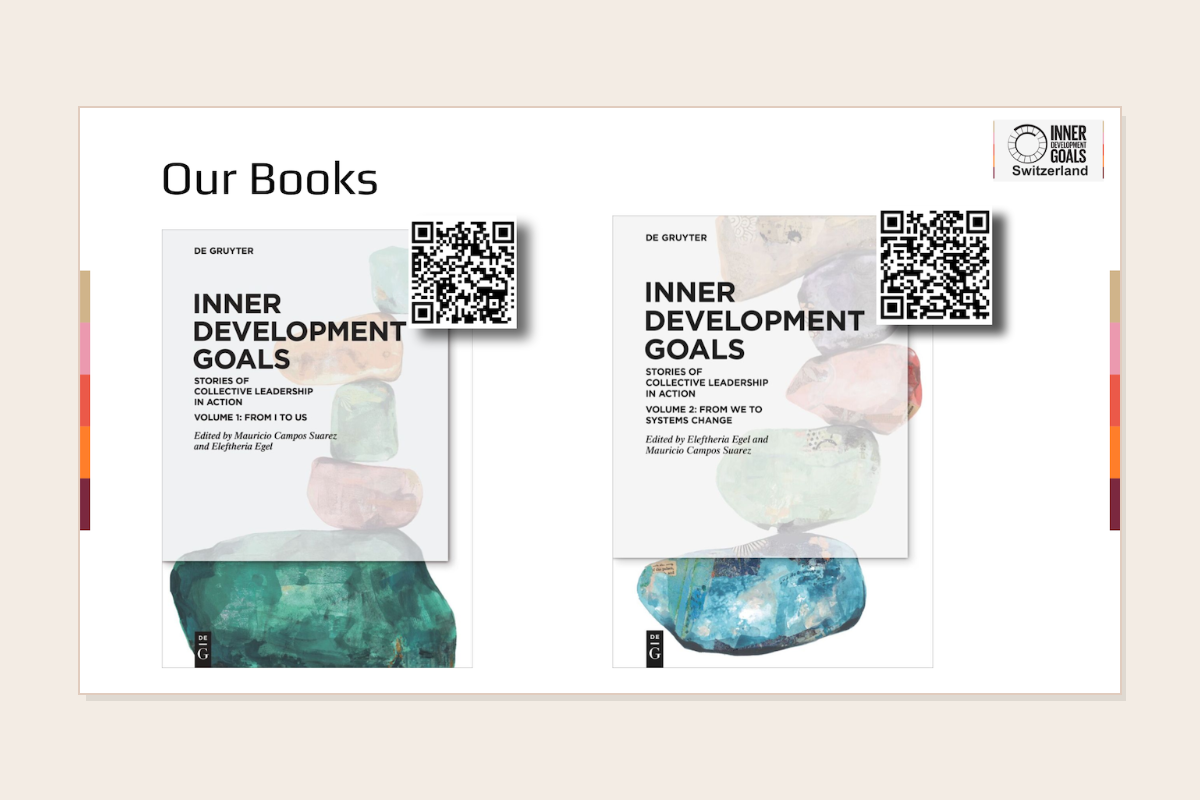
Our two-volume book with De Gruyter is published: stories of how inner development turns into collective leadership and systems change.
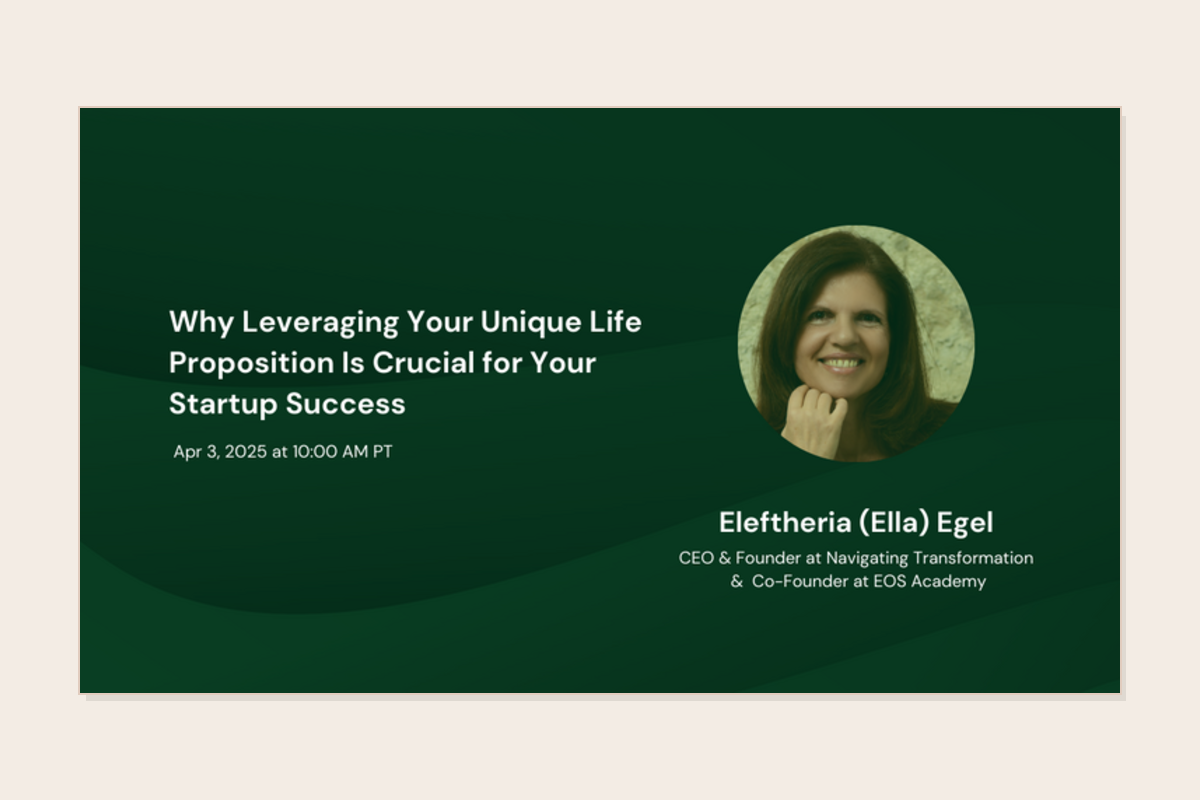
A Founder Institute webinar on building a startup aligned with your true purpose, using a four-step blueprint.

We are proud to sign the UN Women's Empowerment Principles, committing to women as equal co-creators of change.
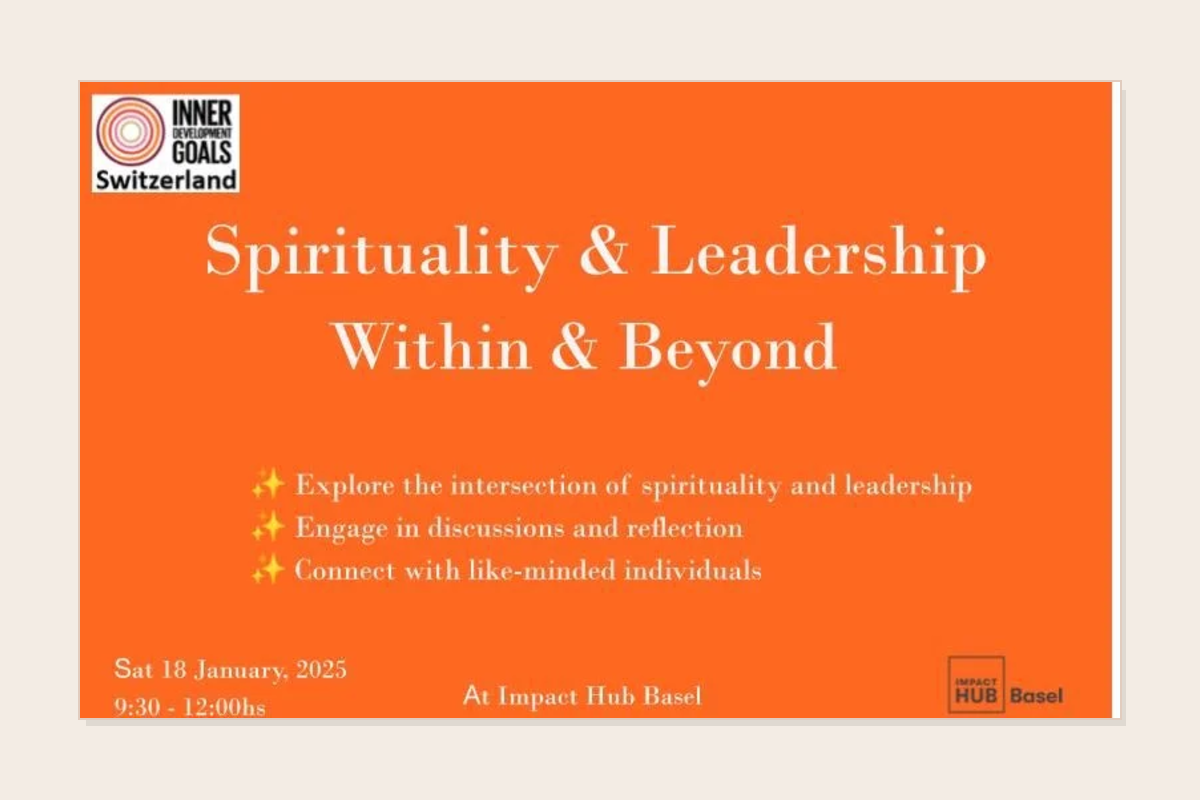
The first 2025 IDG Switzerland community event at Impact Hub Basel, exploring how spirituality and leadership connect.
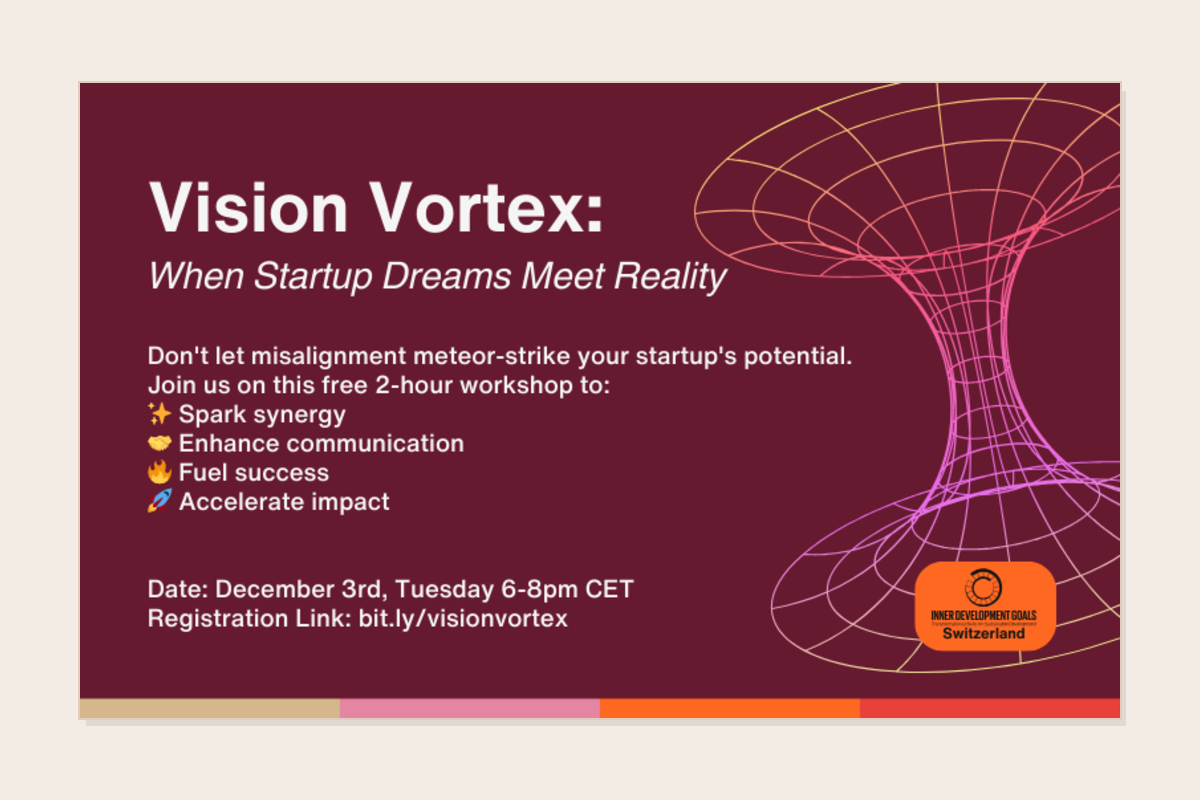
A workshop at Impact Hub Basel on aligning a startup's vision with organisational needs and impact.
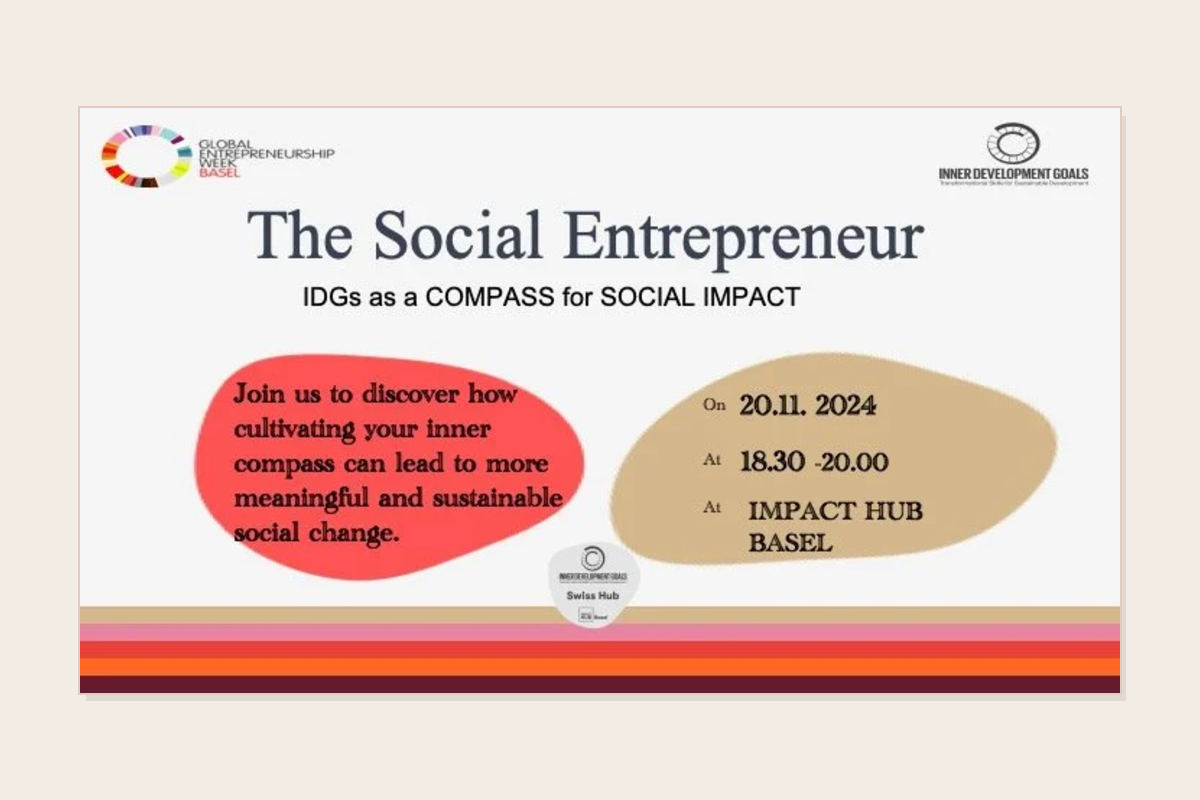
An Inner Development Goals workshop for social entrepreneurs during Global Entrepreneurship Week Basel 2024.
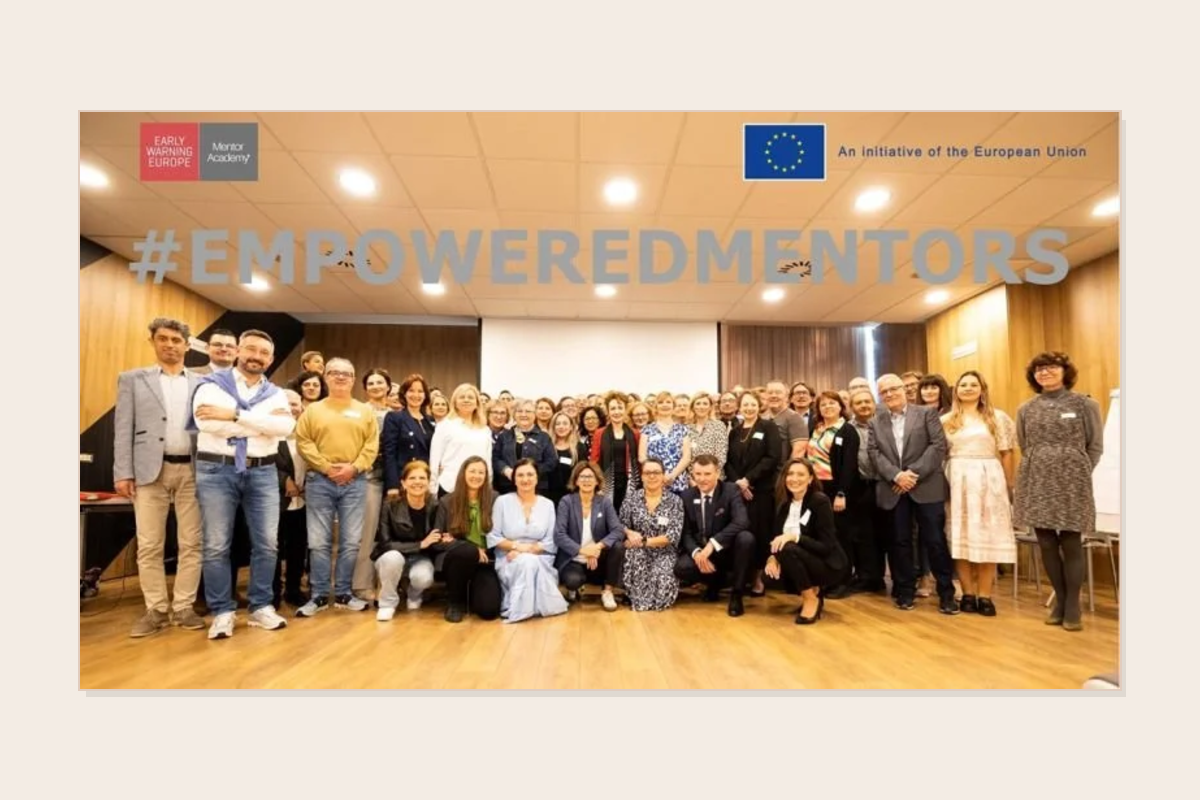
Wrapping up the Early Warning Europe Mentor Academy at its final peer learning workshop in Barcelona.
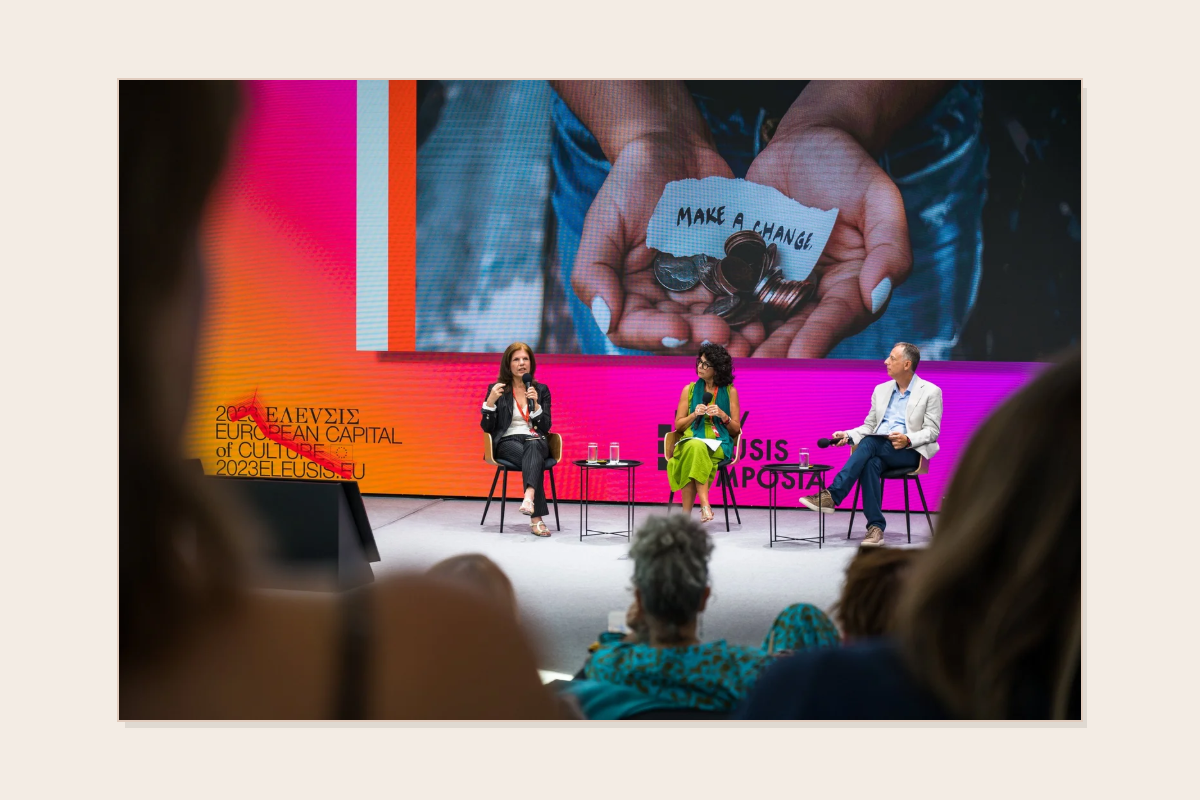
A session in Elefsis, Greece, on museums and business as spaces of individual and collective spirituality.
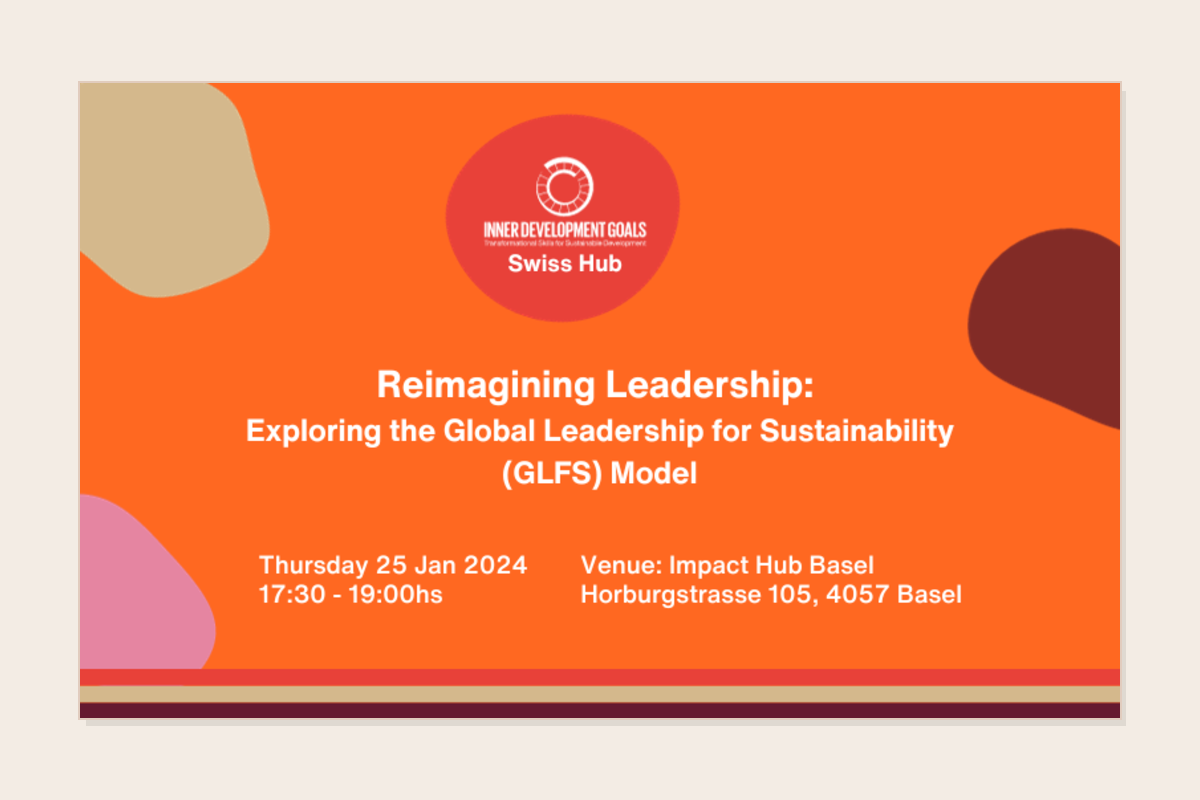
What does leadership need to look like to achieve sustainable solutions? An interactive session on the Global Leadership for Sustainability model.
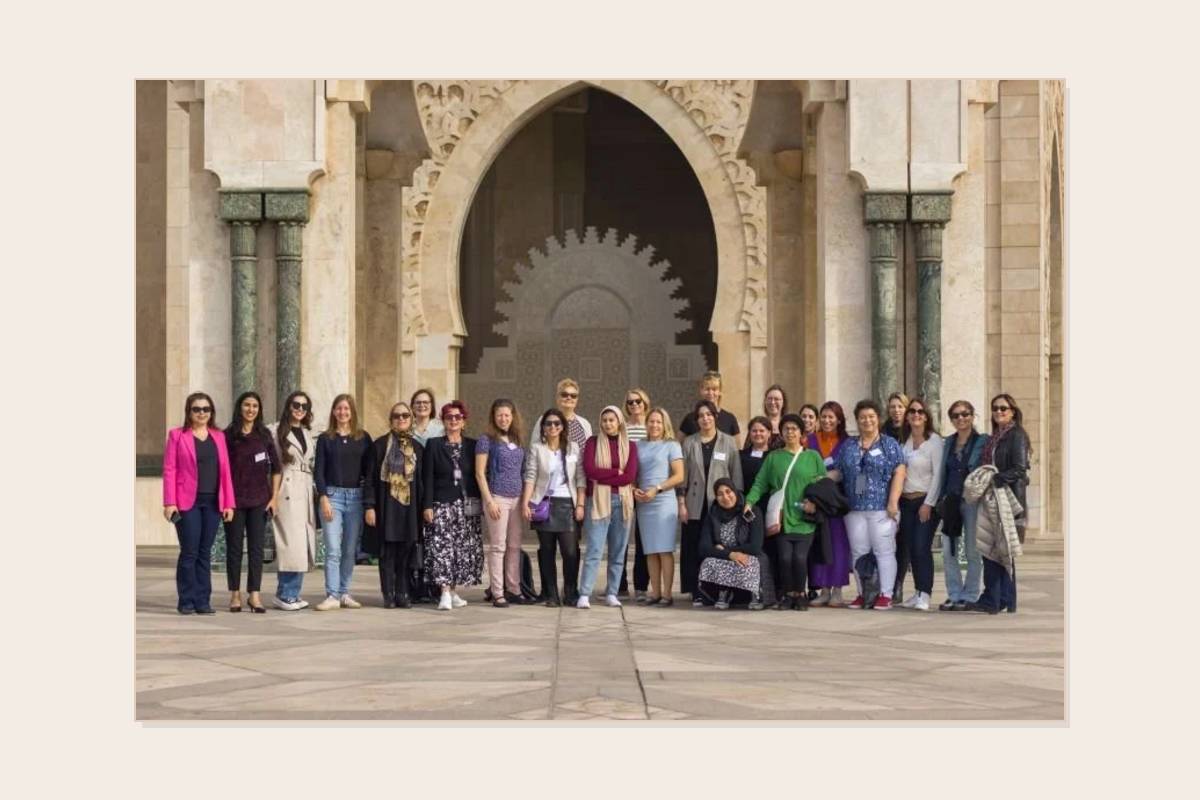
Kickoff week of the Ouissal programme for women entrepreneurs in Casablanca: workshops, presentations and exchanges with participants.
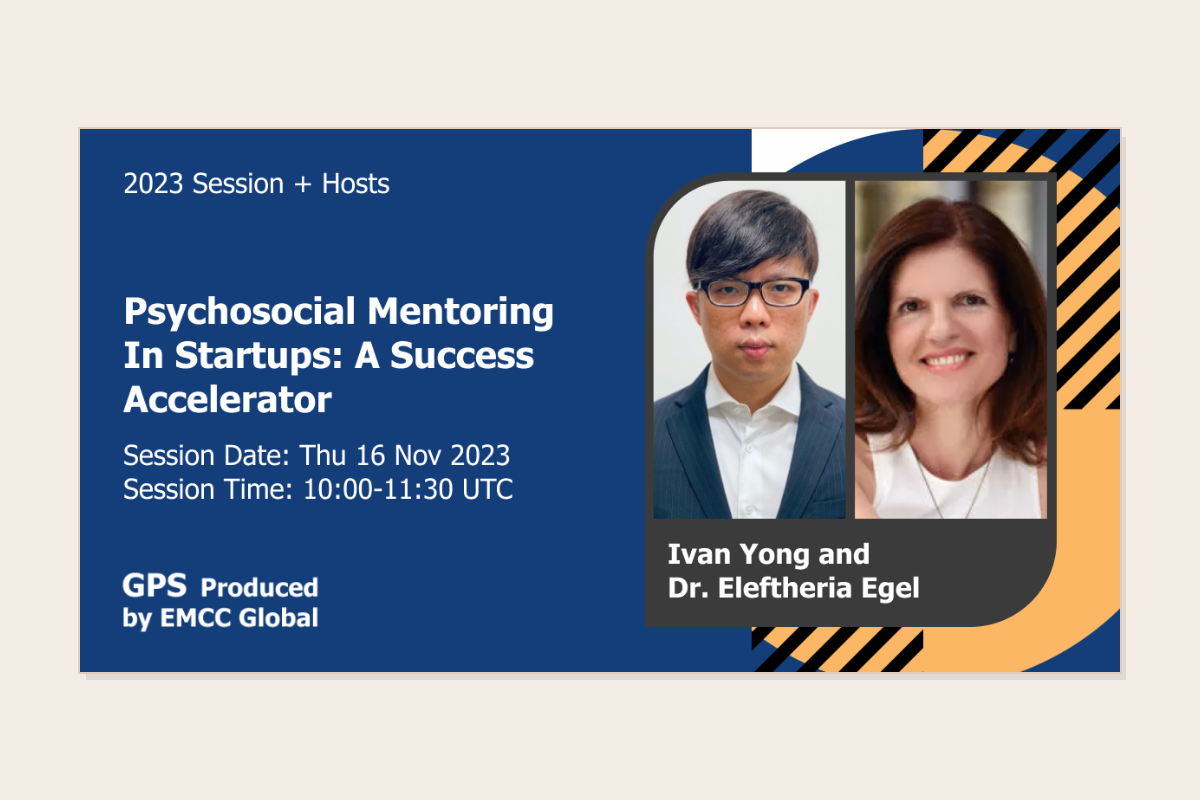
Can innovation be mentored? A session with Ivan Yong on how psychosocial mentoring helps founders lead better.
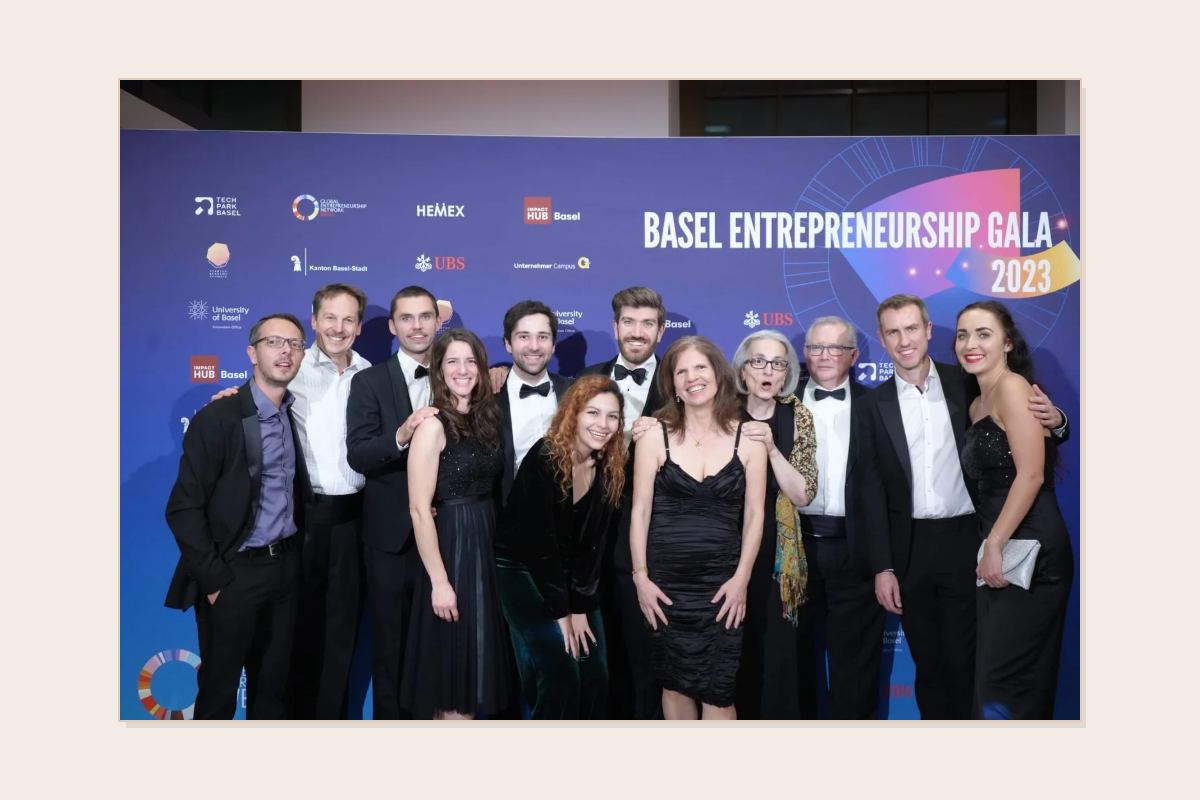
Ignite, foster, celebrate: a week of entrepreneurship events in Basel, co-organised with local partners and closed with a gala.
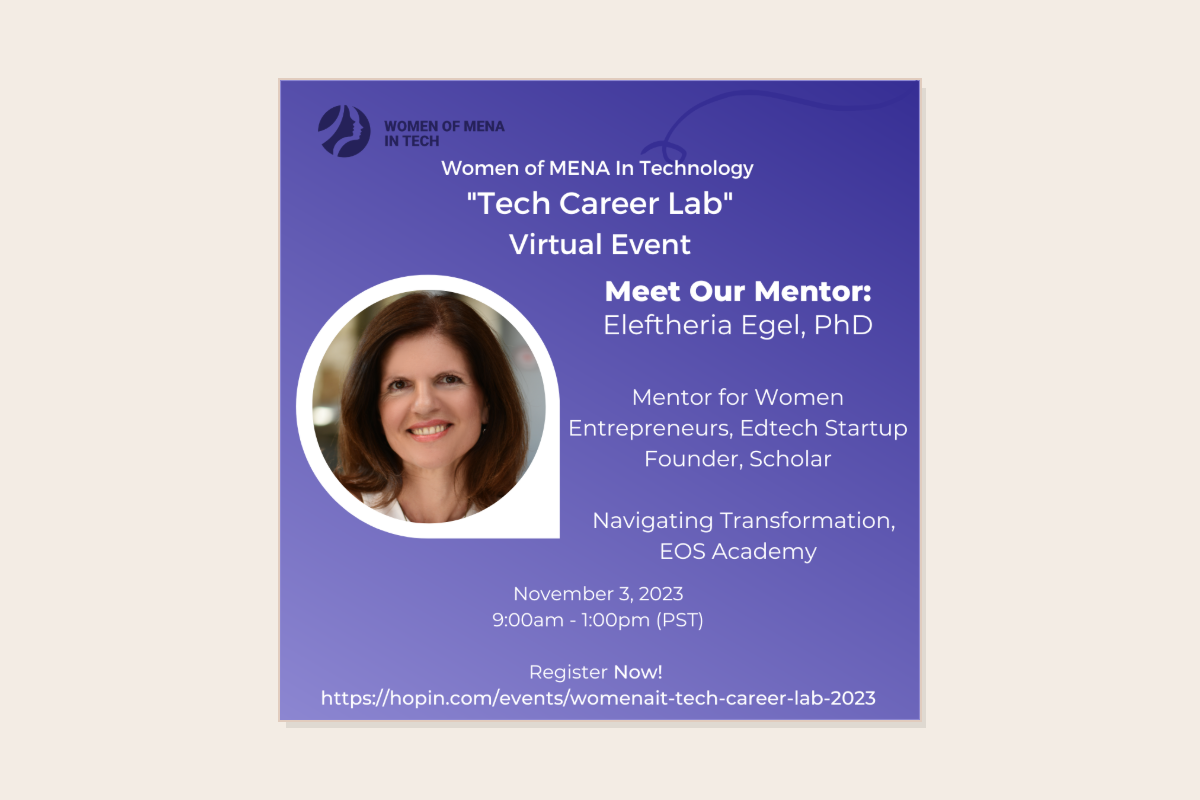
Is entrepreneurship an option for you? A virtual Tech Career Lab session with me as mentor.
Which knowledge and consciousness do we need to challenge assumptions about leadership? A discussion on co-option, collision or collaboration.
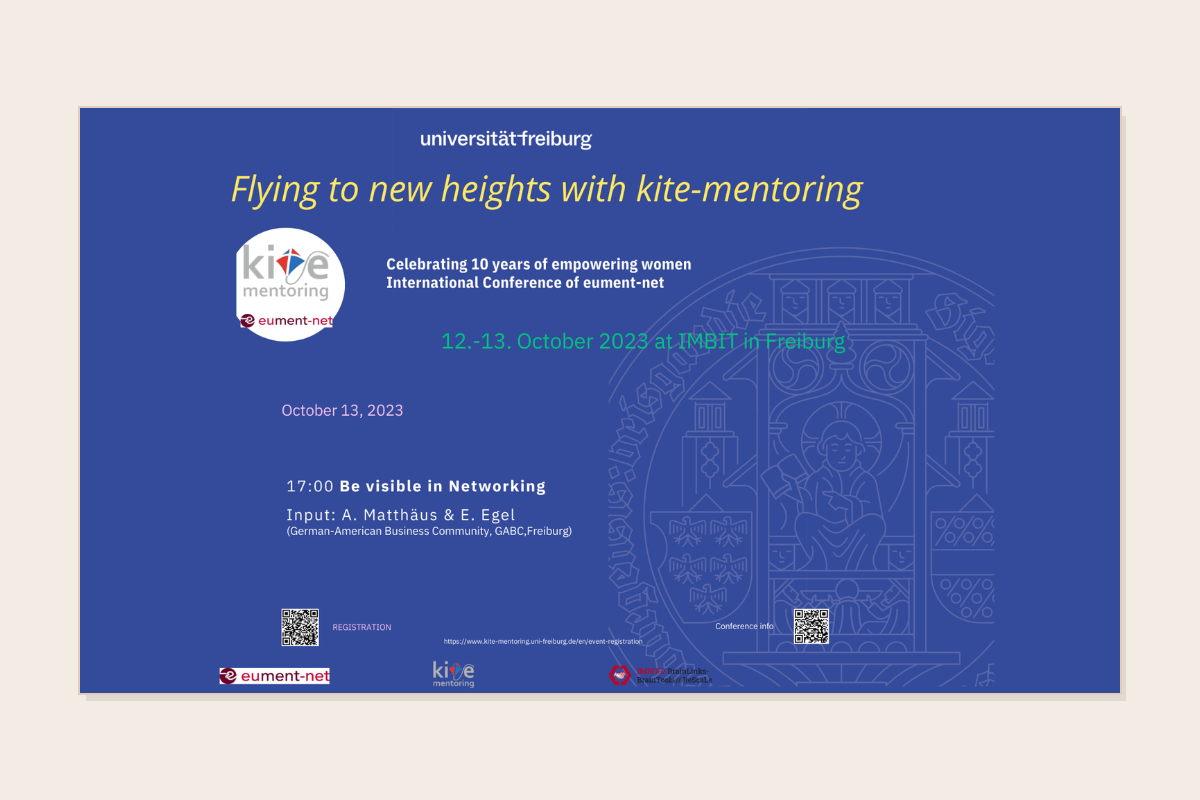
Why networking and mentoring matter for women in science, technology, engineering and mathematics.
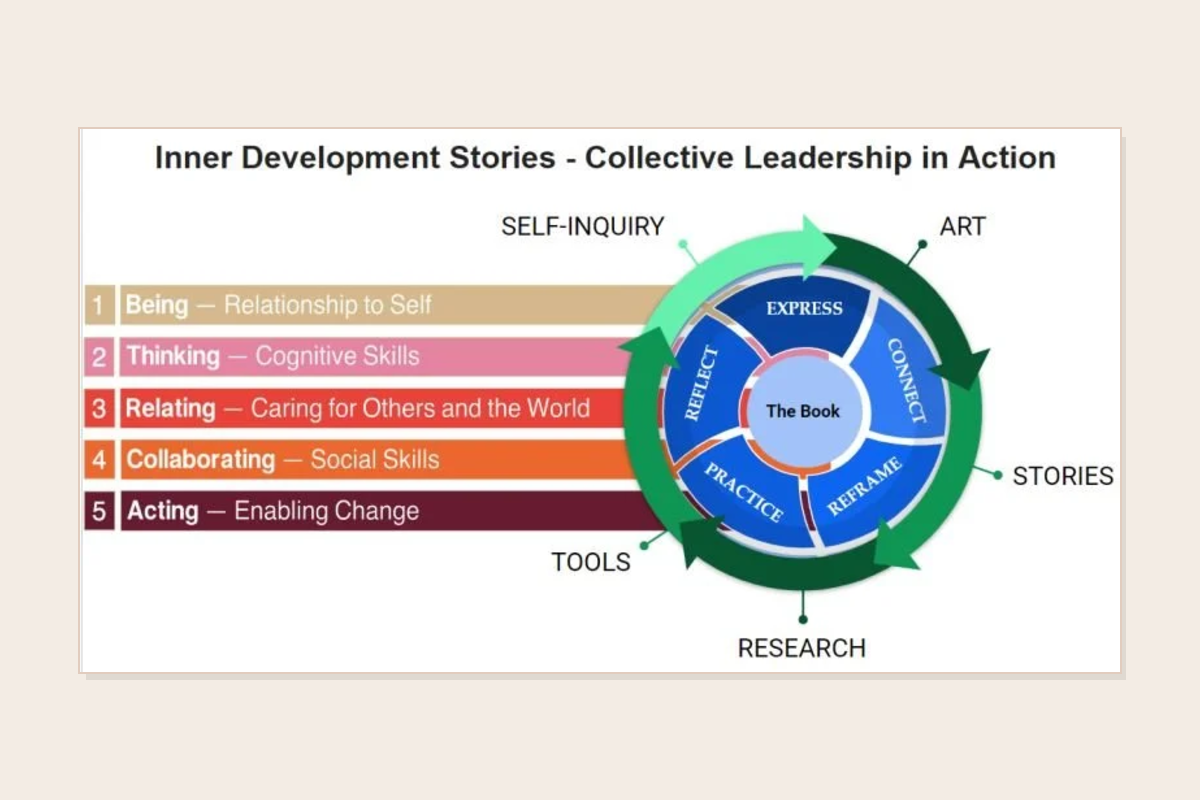
A book project on the Inner Development Goals (IDGs)
A co-edited De Gruyter book project collecting stories, practices and case studies on the Inner Development Goals.
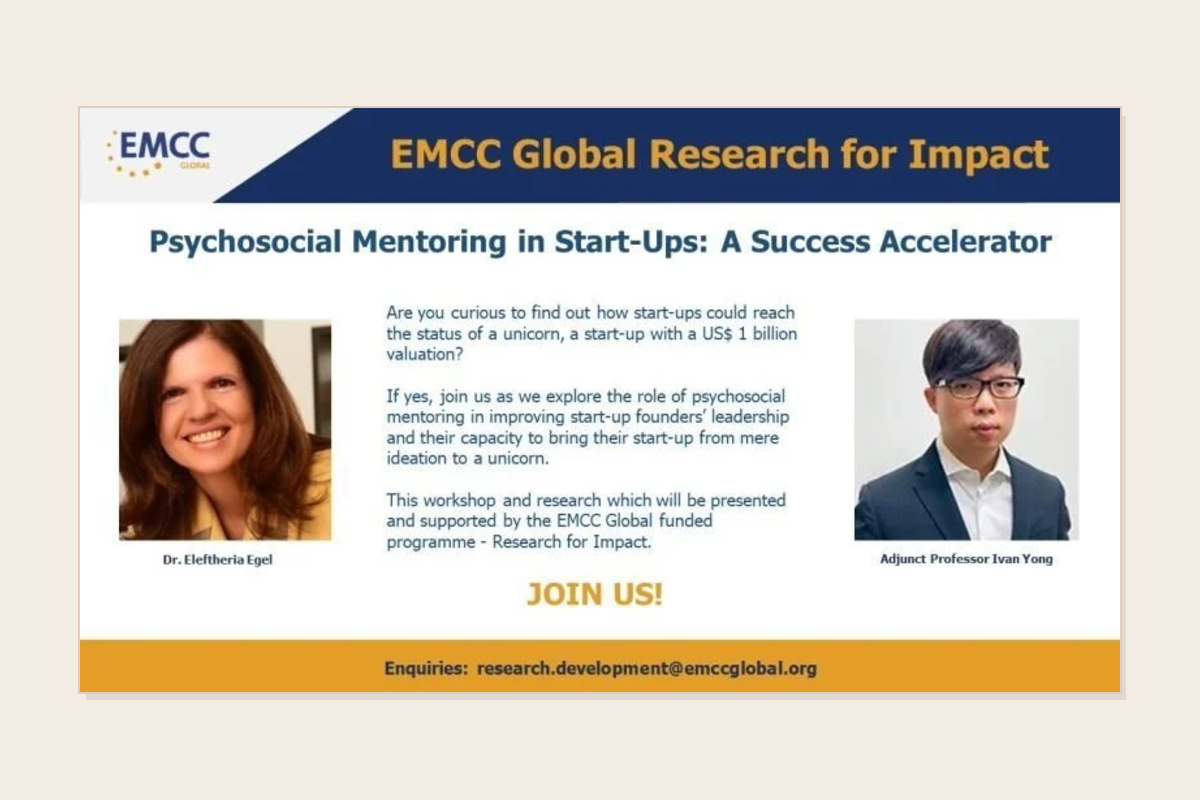
An online workshop on how psychological mentoring can strengthen founders' leadership and accelerate startup success.
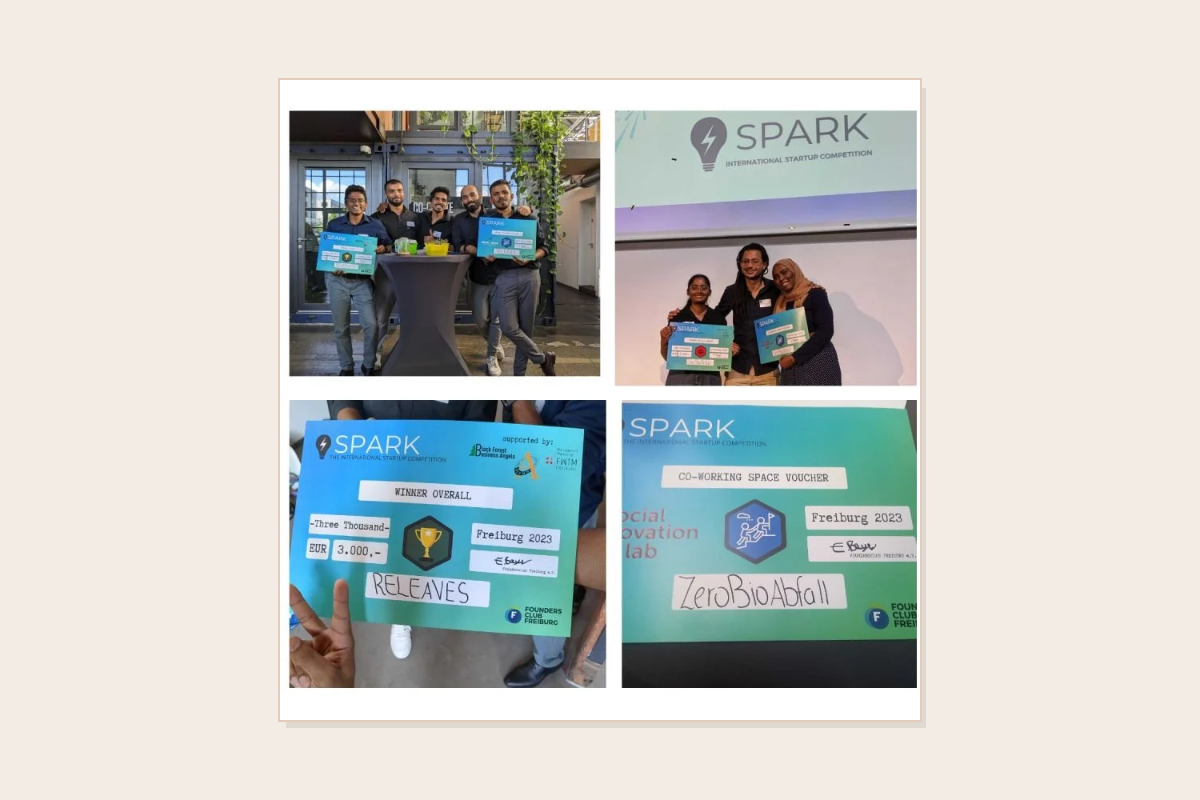
Celebrating the achievements of the RELEAVES and ZEROBIOABFALL teams at SPARK 2023 Pitching Day.
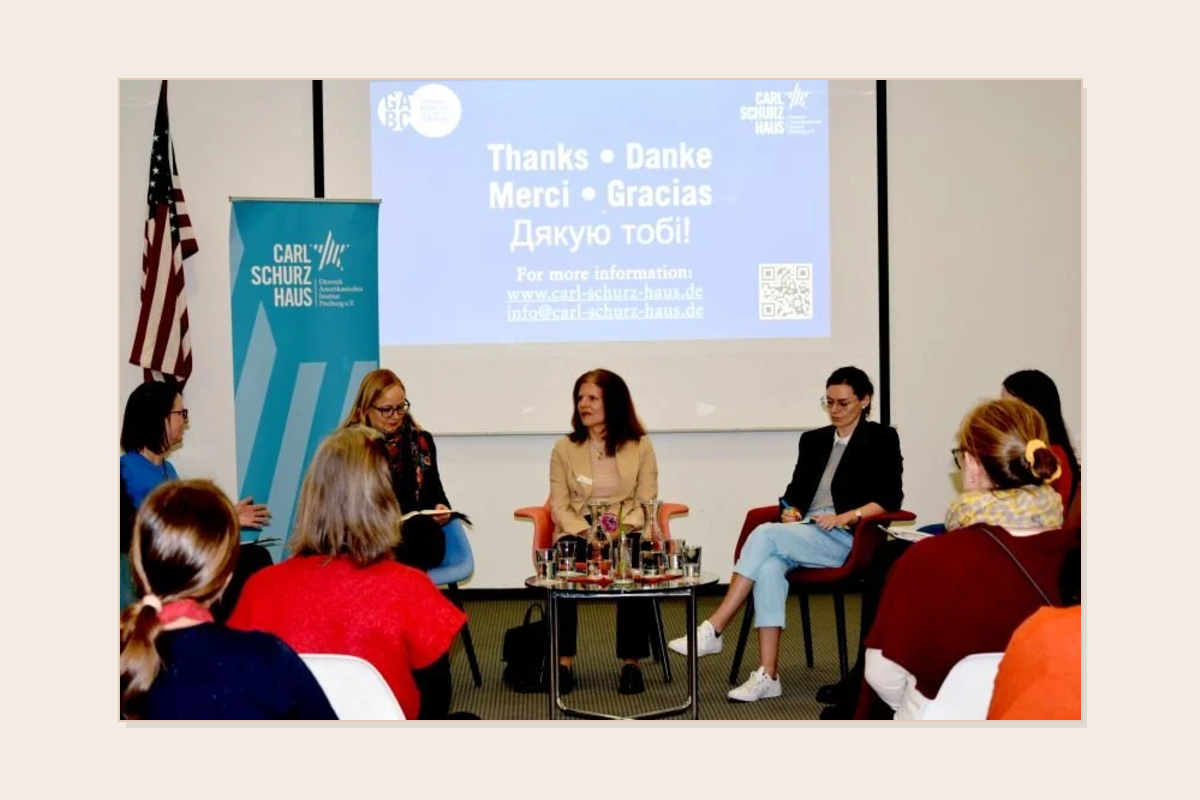
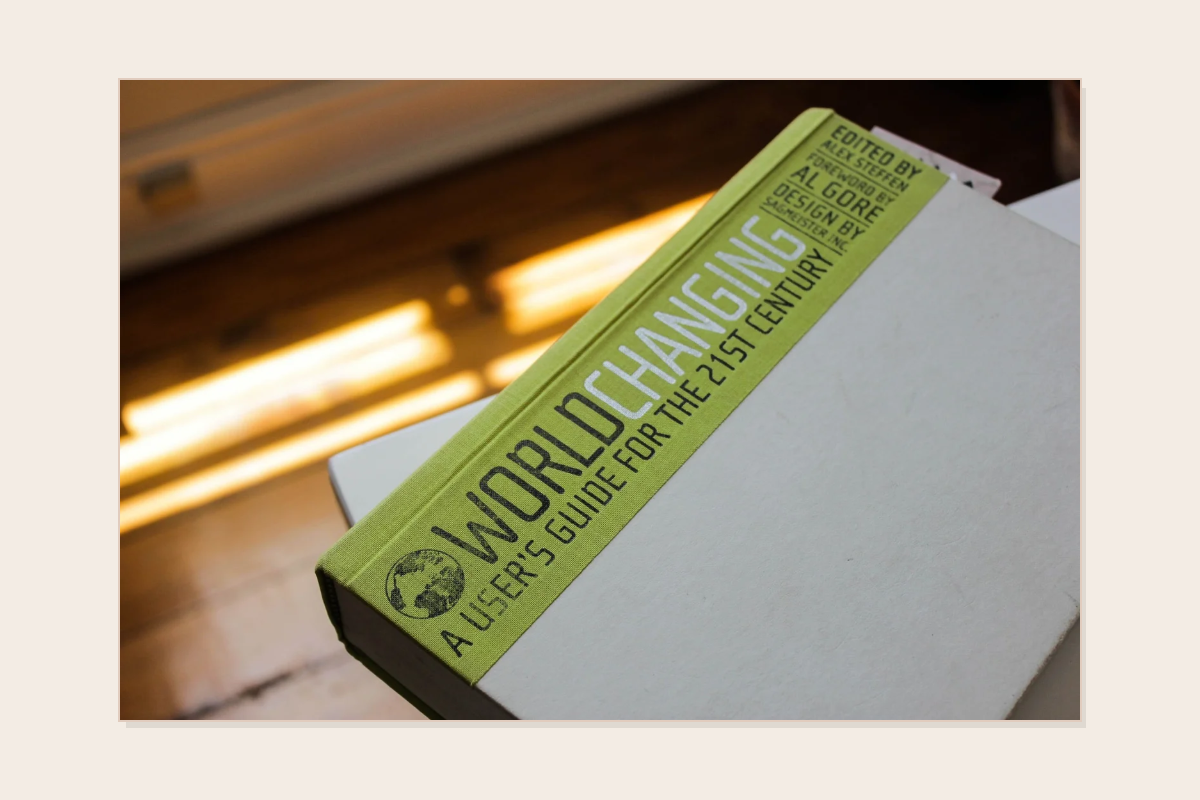
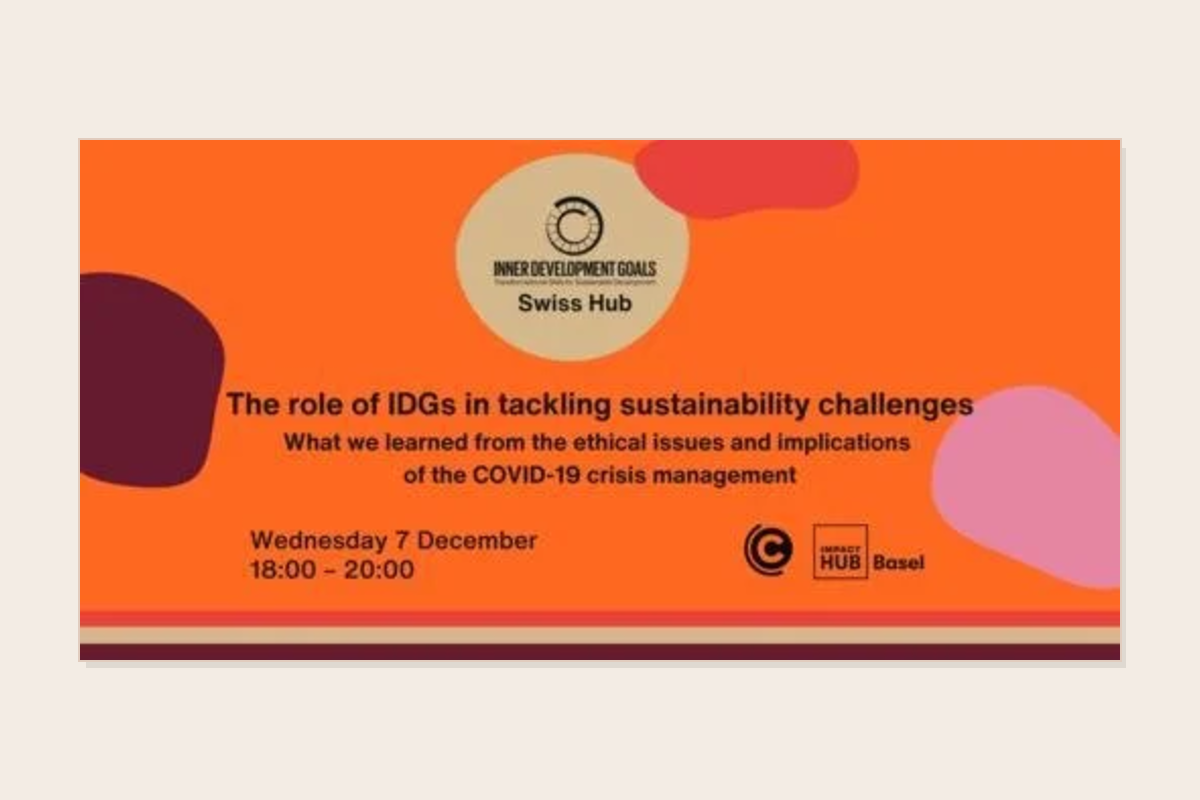
The ethical challenges of COVID-19 and future sustainability crises, and why the Inner Development Goals must be part of the answer.
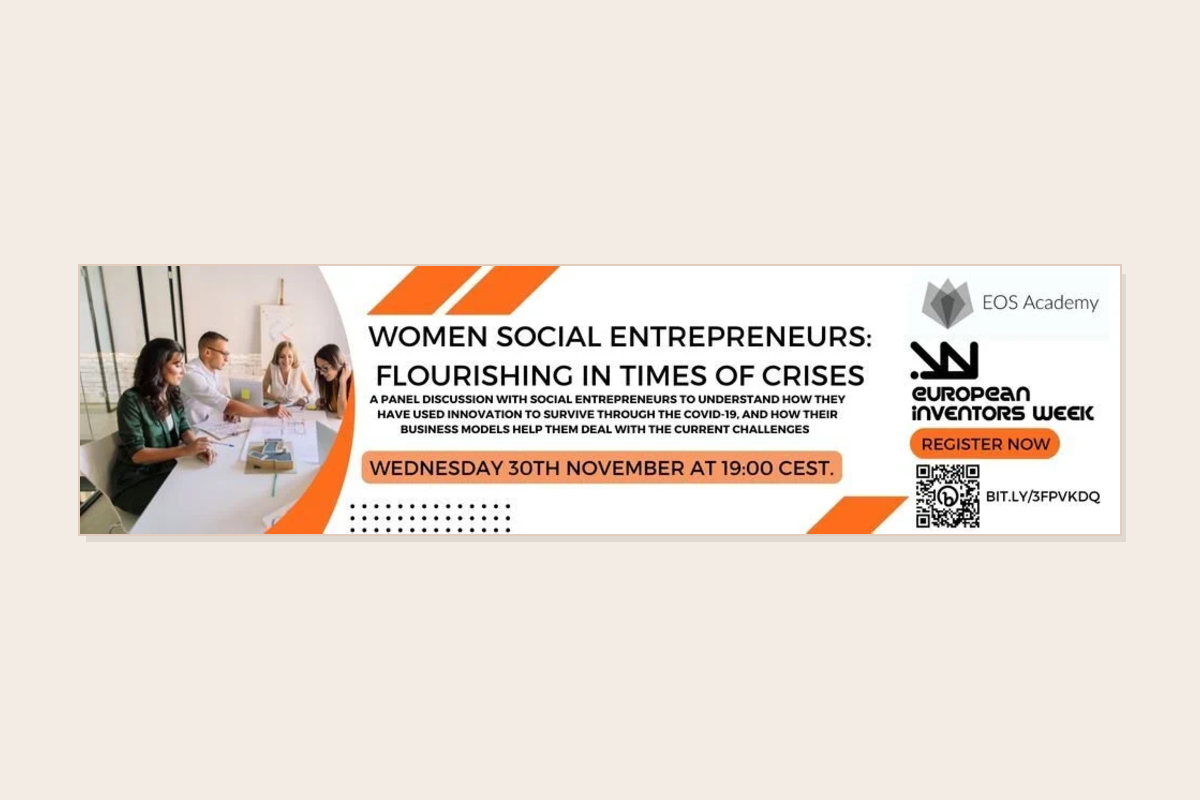
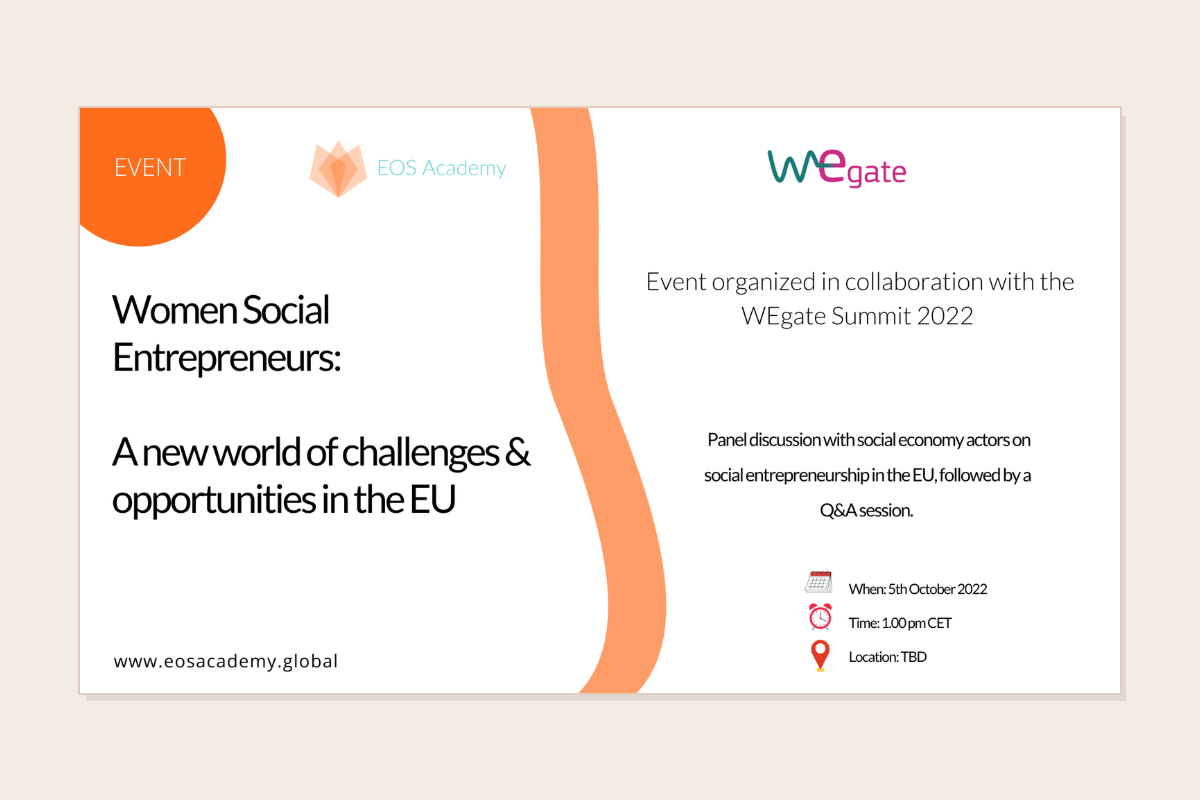
An EOS Academy webinar on how the EU social business ecosystem works for women who want to start a social enterprise.
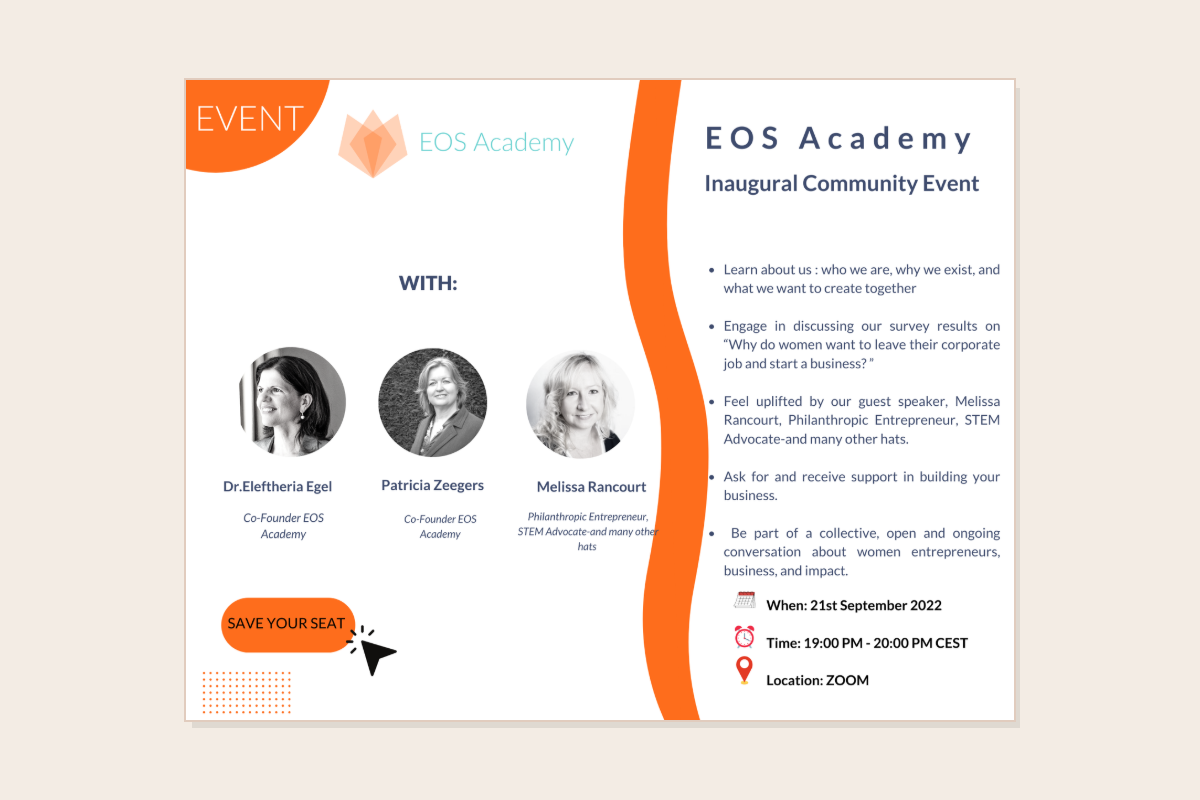
EOS Academy is born: a learning platform that helps women start their own social business.
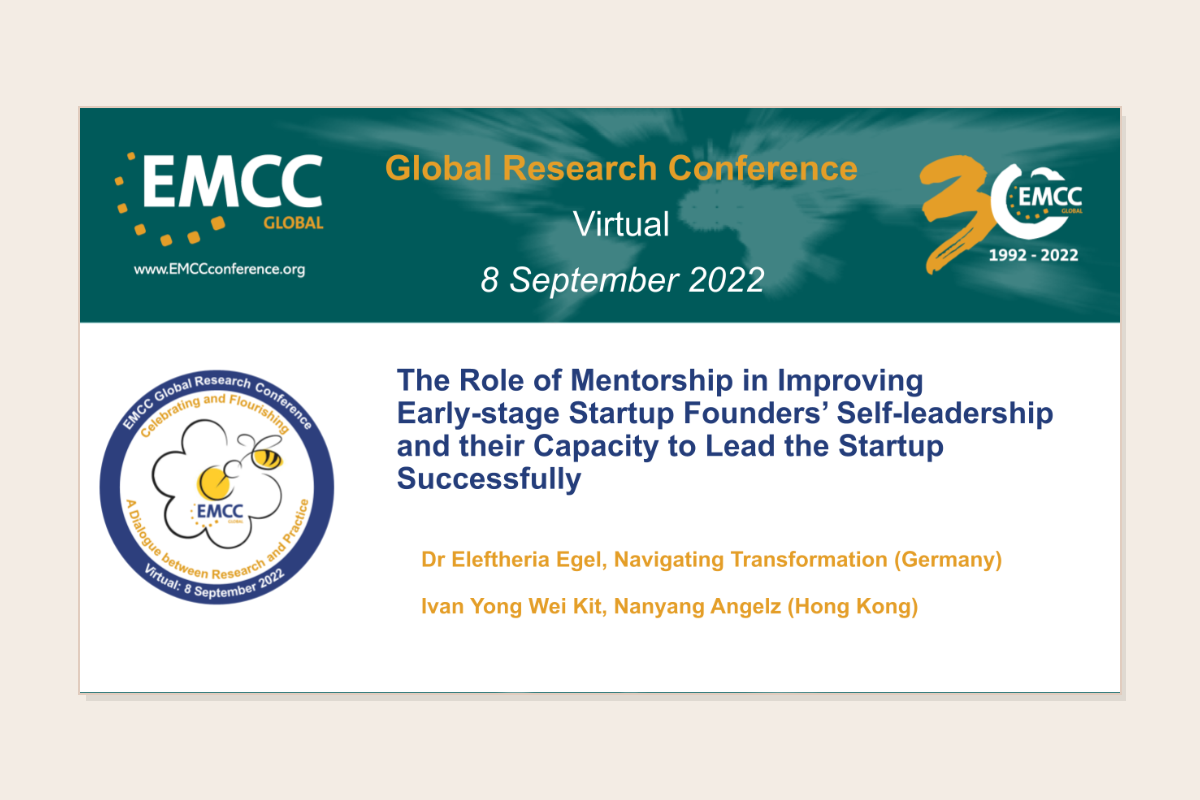
Startups and mentorship: how mentoring improves founders' self-leadership and startup success.
Our research with Ivan Yong, founder of Nanyang Angelz, on mentoring startup founders, recognised by the EMCC Global Research Competition.
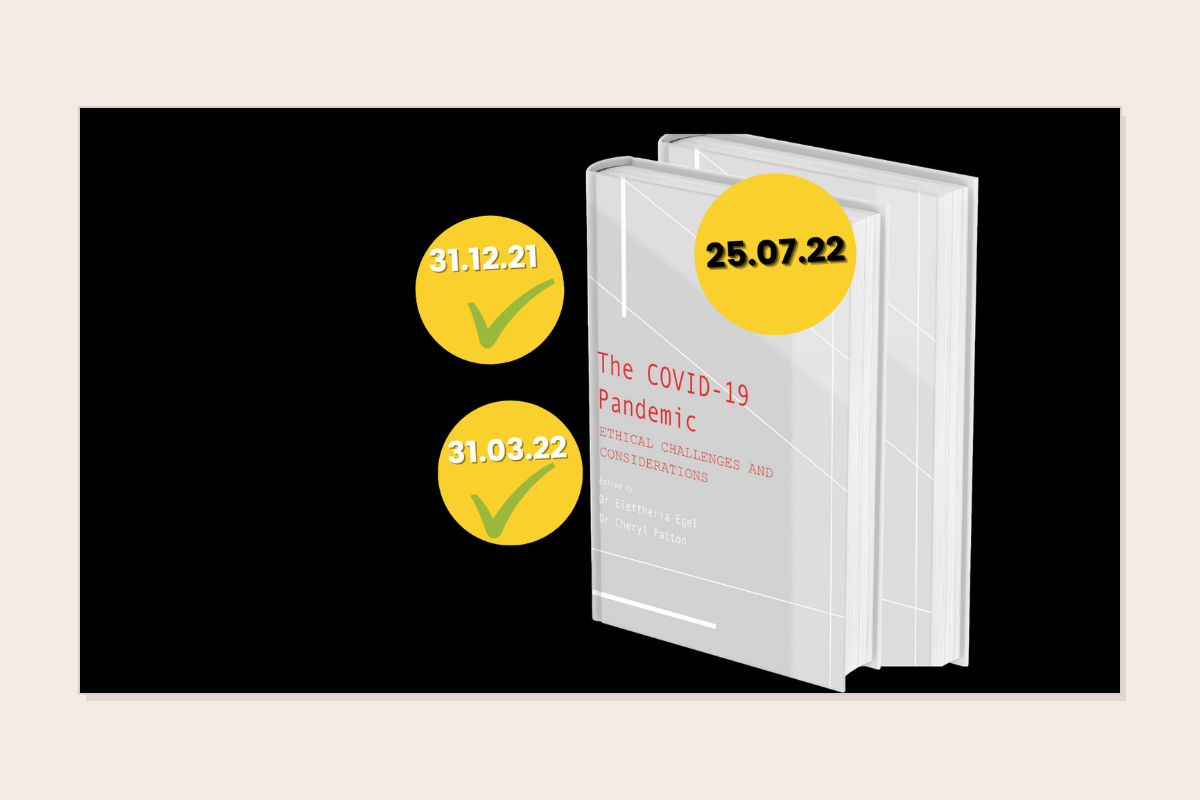
We reached the second milestone of our two-volume book collection on the ethics of the COVID-19 pandemic.
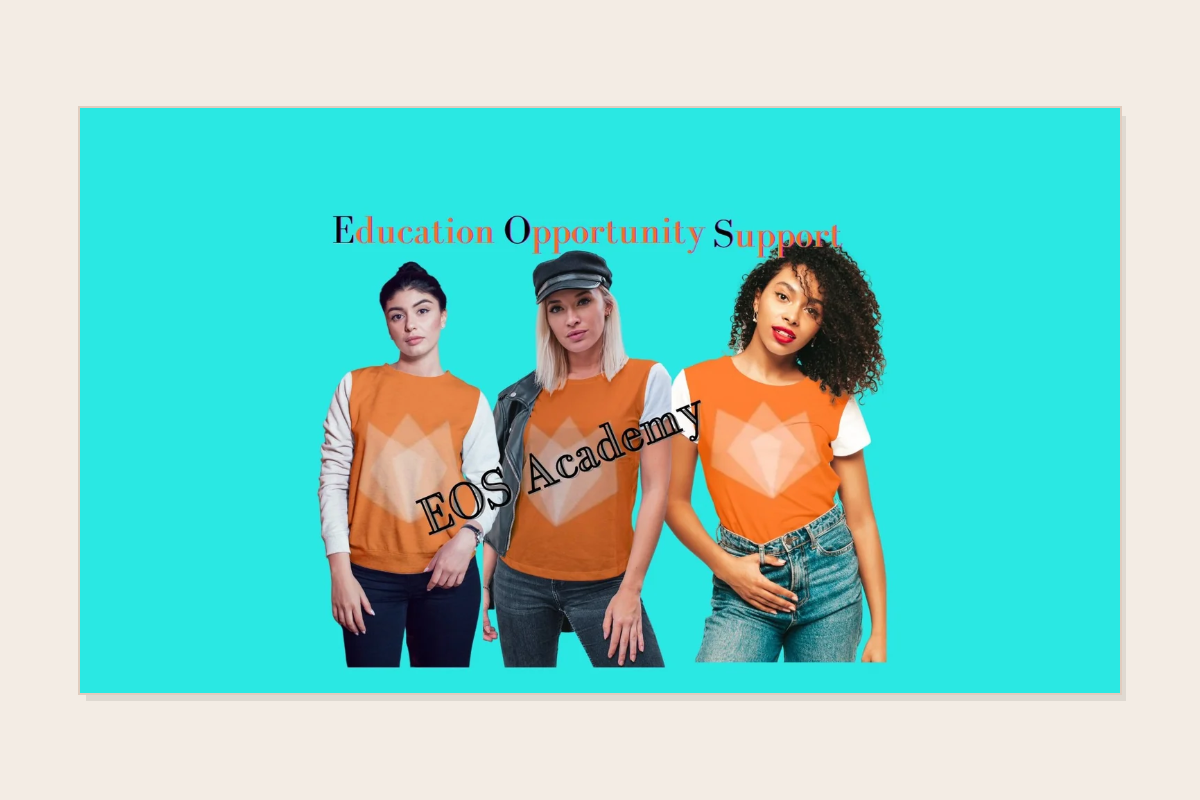
Meet EOS Academy: a new project that enables women entrepreneurs to start their own social business.
Looking for a speaker or workshop lead?
Topics: leadership and inner development - founder development .- governance for trust
ESSAYS
Field Essays & Reflections.
Research-based essays on founder leadership, inclusion and how organisations really change. Written to start a conversation.

What Did We Forget When We Built the Future?
We invest billions in AI, deep tech, and digital transformation — but we rarely stop to ask what any of it is actually for. Technology is treated as the answer before we have properly asked the question. And the question that gets skipped is always the same one: what do human beings genuinely need?
Peter Drucker understood that building anything meaningful starts with the customer — with a real person who has real needs. Yet many of our most celebrated technologies do the opposite. They create artificial needs. They generate complexity faster than they resolve it. And their environmental cost is staggering in ways we rarely acknowledge: the energy consumed by AI queries alone rivals that of entire cities, while we are encouraged to feel virtuous about shorter showers.
What is missing is not more innovation. What is missing is reflection — on the foundations and purpose of what we are building, and on the human beings it is supposed to serve. When technology is designed without that reflection, it does not just fail to solve our problems. It makes them harder to see.
This is a practitioner’s perspective on what gets lost when we move fast without asking why — and what it would look like to put the human back at the centre.

Why the Most Important Work a Leader Does Is Not on the Spreadsheet
Leaders are drowning in frameworks, data, and dashboards — and starved of time for the inner work that actually shapes how they lead. We give them strategies and KPIs and competency models. We almost never give them silence. We almost never ask: who are you, underneath the role? What do you actually believe? And what does that have to do with how you lead?
The assumption embedded in most professional culture is that our personal and professional selves are, or should be, separate. My research and practice have convinced me this is wrong — not just philosophically, but practically. The inner state of a leader shapes everything about how an organisation functions. A leader operating from fear builds a culture of fear. A leader who has never examined their own assumptions cannot recognise those assumptions operating invisibly in every decision they make.
What happens when we finally create the space to reflect? Something shifts. Leaders remember they have an inner voice. They reconnect with what they actually value. They realise they are not alone in the complexity they are navigating.
This is a reflection from the Caux Palace, Switzerland — and an invitation to take that space seriously.

The Emotional J-Curve
The J-Curve describes what happens to a startup on its way through the hard middle. This blog explores what happens to the founder. It examines how the emotional reality of building a venture — the fear, the loneliness, the suppressed uncertainty — goes largely unaddressed in the standard mentoring model, and what the cost of that silence is. The blog draws on research interview data, references two well-known cases of founder psychology becoming a liability at scale, and explores the three ways founders in the study actually managed their emotional states — none of them adequate substitutes for genuine psychosocial support. It ends with an argument directed at the ecosystem as much as at individual founders: the emotional J-Curve runs parallel to the financial one, and right now, most founders are navigating it entirely alone.

Is Business the Problem — or the Solution?
The world’s most urgent problems aren’t being solved by governments or corporations alone. Climate breakdown is accelerating. Inequality is widening. The systems we built to address these challenges — international frameworks, corporate CSR, public policy — are not moving fast enough. And the economic model that has dominated the last half century, built on the premise that profit maximisation serves the common good, is proving not to deliver on that promise.
Social entrepreneurship offers a fundamentally different model — one that builds purpose into its DNA, not its marketing. It measures success not just in financial terms, but across three dimensions: social well-being, environmental health, and financial sustainability. It exists primarily to create value for people and planet, and uses business as the means to do it. Not the other way around.
This isn’t idealism. It’s a practical response to a practical failure.

The Mentor You Need Is Not the One You're Choosing
Founders seek mentors who have been there — experienced entrepreneurs, connected investors, people who can open doors. This blog doesn't dispute that value. It asks what gets left out when that is the only kind of mentoring a founder pursues. Using research interviews and the academic framework of three mentoring functions, it makes the case for psychosocial mentoring — the kind that builds self-knowledge, emotional grounding, and leadership identity rather than strategy and networks. It also examines the informal workarounds founders use instead, why those fall short, and what a gender difference in emotional openness reveals about the hidden costs of suppression. The argument is simple: the mentor who helps you understand yourself may matter more than the one who helps you understand the market.
What Your Employees Know About You That You Don't
This blog uses the employee survey data from the research to open up a question most founders avoid: what is the gap between how you experience your own leadership and how your team actually experiences being led by you? The findings are nuanced — employees in the study genuinely trusted and admired their founders, rating them as visionary, resilient, and hardworking. But only two thirds could clearly articulate the startup's five-year mission. The blog unpacks what that gap reveals, examines a striking split in how employees described their founders' values, and connects both findings to the reality of hybrid and freelance team environments. It closes with the one question that, in practice, most reliably reveals a founder's true leadership self-awareness.
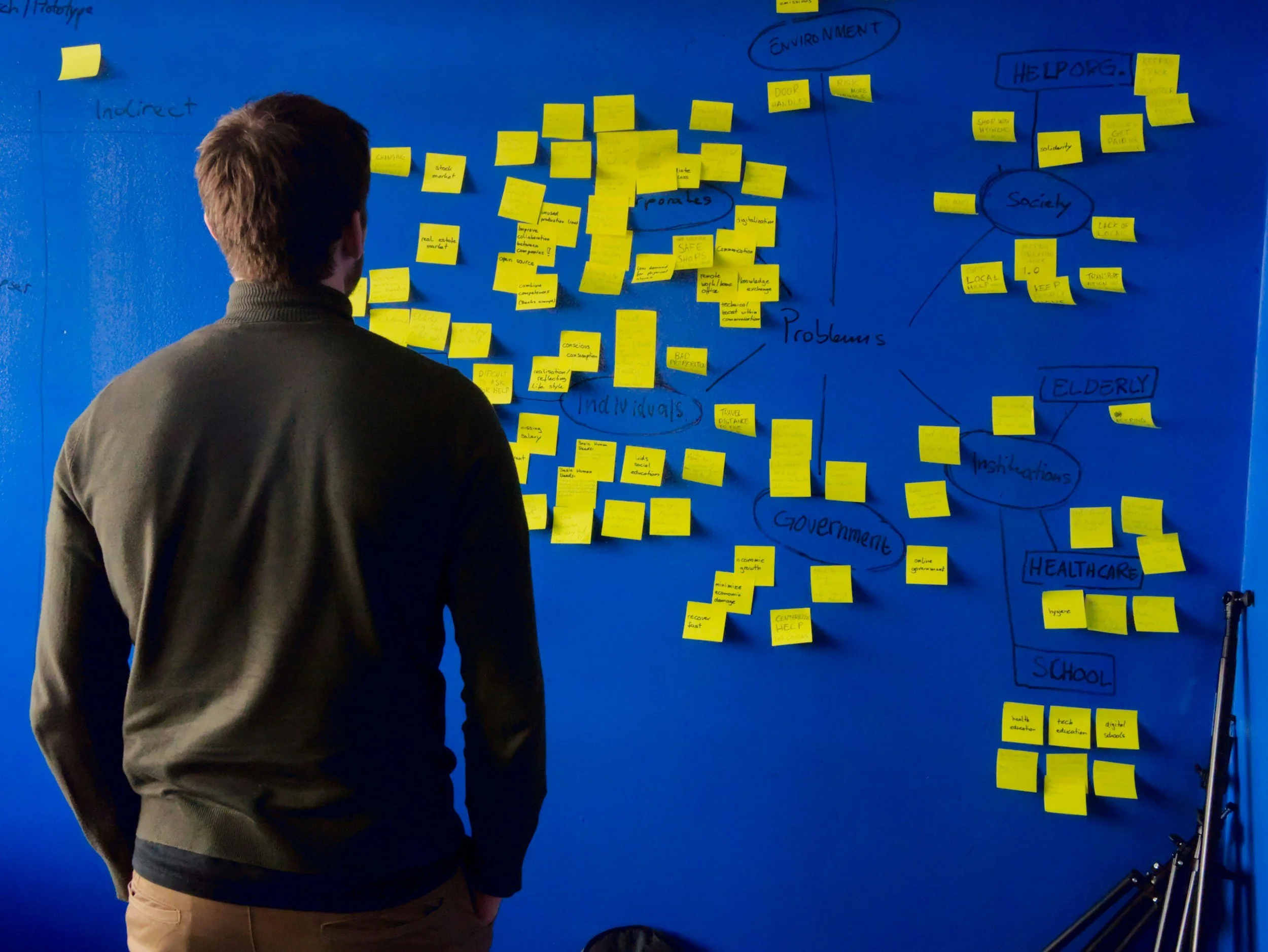
Your Startup is not Failing Because of the Market. It is Failing Because of You.
Startup failure gets blamed on markets, capital, and product. This blog argues the real cause is closer to home: the founder's self-awareness, leadership identity, and ability to make their vision land with their team. Drawing on original research with ten founders, it shows why the leadership gap is the one no one wants to diagnose — and why it may be the most consequential one.

Is 'Inclusive Leadership' an Oxymoron? A Researcher's Honest Assessment
If belonging means conforming to the leader's values, that's not inclusion — it's benevolent assimilation. A rigorous look at why most inclusive leadership frameworks contain a hidden contradiction, and what genuine inclusion actually requires.
'Female' Leadership Qualities Are Not a Nicety. They Are an Organisational Necessity.
Empathy, attentiveness, orientation toward collective good — these have been dismissed as 'soft.' Research shows they are the hardest and most critical skills for the knowledge economy. Time to stop tolerating them and start rewarding them.

Global Ambitions Need a Global Mindset. Do You Have One?
Most leaders building across borders invest in cultural intelligence — the customs, the etiquette, the norms. That preparation matters. But it is not the same thing as a global mindset. For the woman entrepreneur who senses that something deeper is being asked of her as she scales across cultures.

The Identity Trap
That pause between "I have a great idea" and "but..." has a name in the research literature. Discover how identity conflict silently stops women entrepreneurs — and how integration, not sacrifice, is the way through.

Are You Leading from Autopilot or from Presence?
There is a mode of leadership that organisations reward — analytical, efficient, always scanning for the next decision. And there is a mode that complex, cross-cultural situations actually require: genuine presence. They are not the same thing. Drawing on my published research on being-centered leadership, this essay examines what unconscious, ego-centred habit actually costs in a global context — and what developing genuine conscious awareness looks like in practice. It also addresses something specific to women founders: the difference between the hypervigilance many of us carry and the presence that changes everything.

The Water You Swim In
Bourdieu called it symbolic violence — the invisible system shaping who gets to be taken seriously in business. If you've ever been told you're "too much" or "not enough," this is the explanation you didn't know you needed.

Martin Buber's 'I-Thou' — The Most Radical Leadership Idea You've Never Heard Of
A 1937 philosophy book holds the key to what organisations are desperately trying to build: genuine inclusion, real collaboration, and cultures where people bring their full selves. Here's what Buber's I-Thou framework means for leadership today.

Why You Don't Believe You Can Do It
Research shows entrepreneurial self-efficacy — not skill — is the #1 predictor of whether women start businesses. Find out what's really behind the confidence gap, and what you can do about it.

Why the Heroic Leader Is Dead — And What Should Replace Him The knowledge economy has made the individual, top-down, heroic leader not just outdated — but actively harmful to organisations. Find out why the model broke, and what research says must replace it.

Metaxu
An ancient Greek word, a postmodern philosopher, and a radical question for women in business: what if you stopped choosing between the competing versions of yourself — and started building from the in-between?

Which Level Are You Leading From? A Leadership Framework
Most leadership development asks about your skills and your gaps. This essay asks a different question: from which level of your own being are you actually leading? Drawing on my co-authored research on being-centered leadership, I walk through five distinct levels of consciousness and the quality of leadership each produces — using real contrasts from the research, including Apple and Unilever, to show what each level looks like in practice. And I name something essential for women entrepreneurs: the qualities that define the highest levels of this framework are precisely the ones you were told to downplay. That was not weakness. That was depth.

The Business Case for Inner Development as a Leader
What if the most important investment in your venture right now had nothing to do with your strategy, your funding, or your next hire — but with your own inner development? Drawing on my published research with Professor Louis Fry, this essay makes the strategic case for the shift from 'having and doing' to 'being': the quality of inner awareness from which everything in leadership flows. For women entrepreneurs, this has a particular resonance. The qualities that being-centered leadership cultivates are ones you may have been developing for years through paths that were never recognised as leadership preparation. It is time to build from them deliberately


Customers’ expectations has led organisations to redesign their business in a more customer-centric way

Customer service orientation can be a competitive differentiation in brands whose products are easily replicated.


CONTACT & ADVISORY
Bring Your Challenge to the Table
Whether you are scaling a venture, preparing for a board role or rethinking how your organisation makes decisions, tell me where you are.
We start with a first conversation. If it makes sense to go further, a diagnostic session follows, and then a proposal with scope and timeline.
Inner Development Goals, Volume 1, is a finalist in the Goody Business Book Awards 2025, in the category Leadership: Think Differently.